
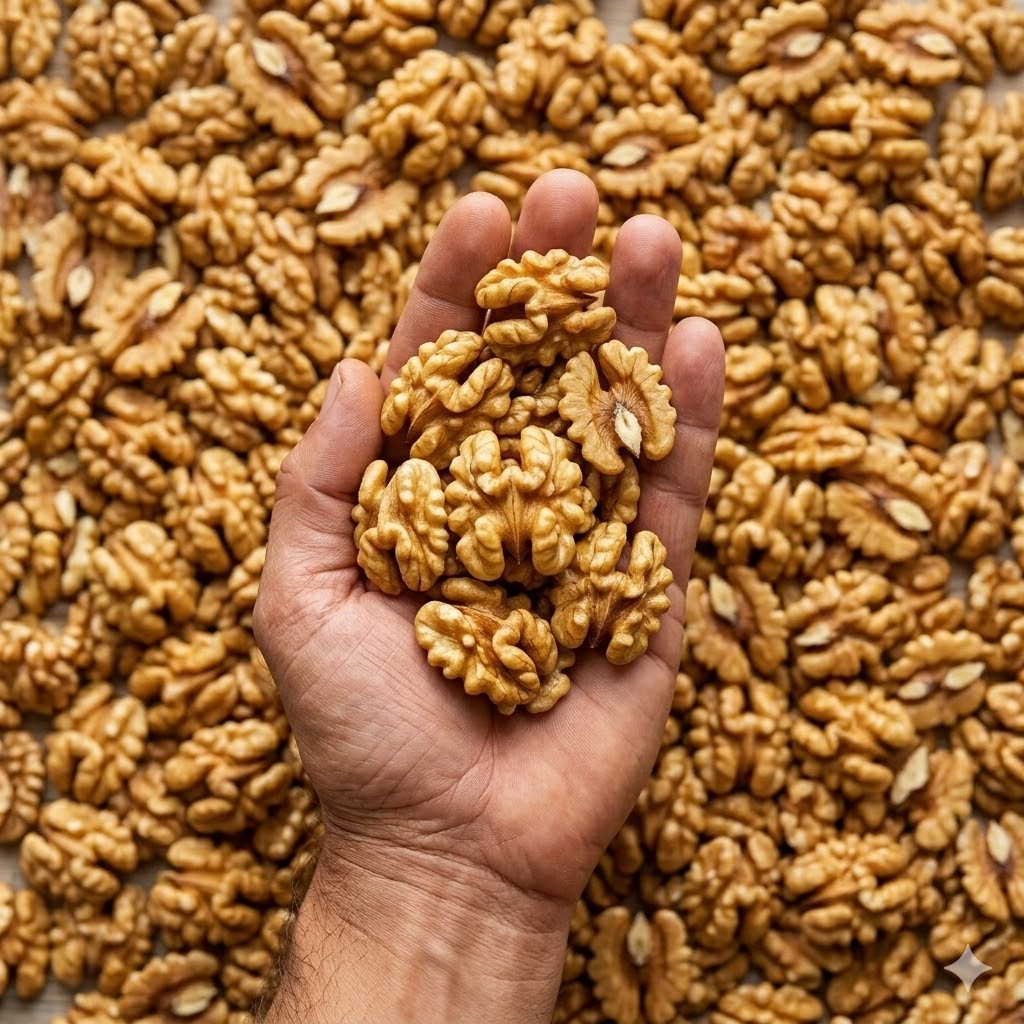
If you have ever wondered whether snacking on a handful of walnuts each day is actually worth it, science has a very clear answer: absolutely yes. Medical researchers and nutrition experts around the world have been studying these wrinkly little nuts for decades, and what they keep finding is nothing short of remarkable. Walnuts are not just a convenient snack — they are one of the most nutrient-dense foods on the planet, packed with compounds that actively protect your heart, sharpen your mind, and support healthy aging from the inside out.
Walnuts and Your Heart: A Powerful Connection
When it comes to cardiovascular health, few foods can rival the walnut. Walnuts are the single richest nut source of alpha-linolenic acid (ALA), a plant-based omega-3 fatty acid that plays a vital role in keeping your heart functioning at its best. Studies published in the Journal of the American Heart Association have consistently found that people who eat walnuts regularly have lower levels of LDL (bad) cholesterol, reduced arterial inflammation, and improved blood vessel function — all of which are critical factors in preventing heart disease.
A landmark clinical trial known as the WAHA study tracked over 700 older adults and found that those who ate walnuts daily for two years showed meaningful reductions in total cholesterol and LDL cholesterol compared to those who did not. The researchers concluded that simply adding walnuts to your regular diet — without any other dietary changes — could significantly lower your cardiovascular risk over time. That is a powerful statement from serious scientists.
Beyond cholesterol, walnuts also contain the amino acid L-arginine, which supports the production of nitric oxide in the body. Nitric oxide helps relax and widen blood vessels, reducing blood pressure and improving circulation. This combination of omega-3 fatty acids, antioxidants, and cardiovascular-supportive nutrients makes walnuts one of the most heart-friendly foods you can eat.
An Antioxidant Powerhouse Unlike Any Other Nut
One of the most surprising discoveries about walnuts is just how potent they are as an antioxidant source. Research has shown that walnuts contain roughly twice the antioxidant activity of most other commonly eaten nuts, including almonds, cashews, and peanuts. This extraordinary antioxidant capacity comes from a unique combination of compounds including polyphenols, vitamin E (specifically in its gamma-tocopherol form), melatonin, and ellagic acid.
Antioxidants are essential because they neutralize free radicals — unstable molecules that damage cells, accelerate aging, and contribute to chronic diseases like cancer, diabetes, and Alzheimer’s. The polyphenols found specifically in the papery skin of walnuts are particularly potent and are rarely found in such high concentrations in other foods. This is why nutrition experts often advise eating walnuts with their skin on rather than the blanched versions, which have a milder flavor but significantly less antioxidant power.
Brain Benefits: Feed Your Mind With Every Handful
There is something poetic about the fact that walnuts look remarkably like tiny human brains — because as it turns out, they are exceptionally good for yours. The brain is made up of approximately 60% fat, and much of that fat is omega-3 fatty acids. Walnuts are one of the best plant-based sources of these essential fats, making them a natural choice for supporting cognitive health at any age.
Multiple studies have linked regular walnut consumption to improved memory, faster processing speed, better concentration, and a reduced risk of age-related cognitive decline. Researchers at UCLA published findings showing that adults who ate walnuts regularly performed significantly better on cognitive tests than those who did not, regardless of age, gender, or other lifestyle factors. The polyphenols in walnuts also reduce oxidative stress and inflammation in the brain — two of the primary drivers of neurodegenerative diseases like Alzheimer’s and Parkinson’s.
Continued on next page 👇(page 2)👇

