
Additionally, walnuts contain folate, vitamin B6, and melatonin — all of which support healthy neurotransmitter function and sleep quality. Better sleep, in turn, plays a major role in memory consolidation and mental clarity. So that handful of walnuts before bed might be doing more for your brain than you ever imagined.
Gut Health: Walnuts as a Natural Prebiotic
Your gut is home to trillions of bacteria that influence everything from digestion and immunity to mood and metabolism. What you eat determines whether those bacteria thrive or struggle — and walnuts turn out to be an excellent food for nurturing a healthy gut microbiome. Research published in the Journal of Nutrition found that people who ate walnuts daily for eight weeks had significantly higher levels of beneficial gut bacteria, including Lactobacillus and Roseburia, compared to those who did not eat walnuts.
These beneficial bacteria produce short-chain fatty acids that reduce inflammation in the gut lining, strengthen the intestinal barrier, and even communicate with the brain via the gut-brain axis to influence mood and stress levels. Walnuts also provide a good dose of dietary fiber, which feeds these good bacteria and helps keep your digestive system running smoothly. A healthy gut is increasingly recognized by medical researchers as a cornerstone of overall long-term health — and walnuts support it naturally.
Weight Management and Blood Sugar Balance
Despite being calorie-dense, walnuts are actually associated with healthy weight management rather than weight gain. The combination of protein, healthy fats, and fiber in walnuts creates a powerful satiety effect — meaning they help you feel full and satisfied for longer, reducing the likelihood of overeating later in the day. Several studies have found that people who regularly eat nuts, including walnuts, tend to have lower body weight and smaller waist circumferences than those who avoid them.
Walnuts also appear to improve insulin sensitivity and help regulate blood sugar levels, making them a valuable food for people with or at risk of type 2 diabetes. The ALA omega-3s and polyphenols in walnuts help reduce chronic low-grade inflammation, which is a key driver of insulin resistance. Adding a small serving of walnuts to meals — especially alongside carbohydrate-rich foods — has been shown to blunt post-meal blood sugar spikes.
How Many Walnuts Should You Eat Per Day?
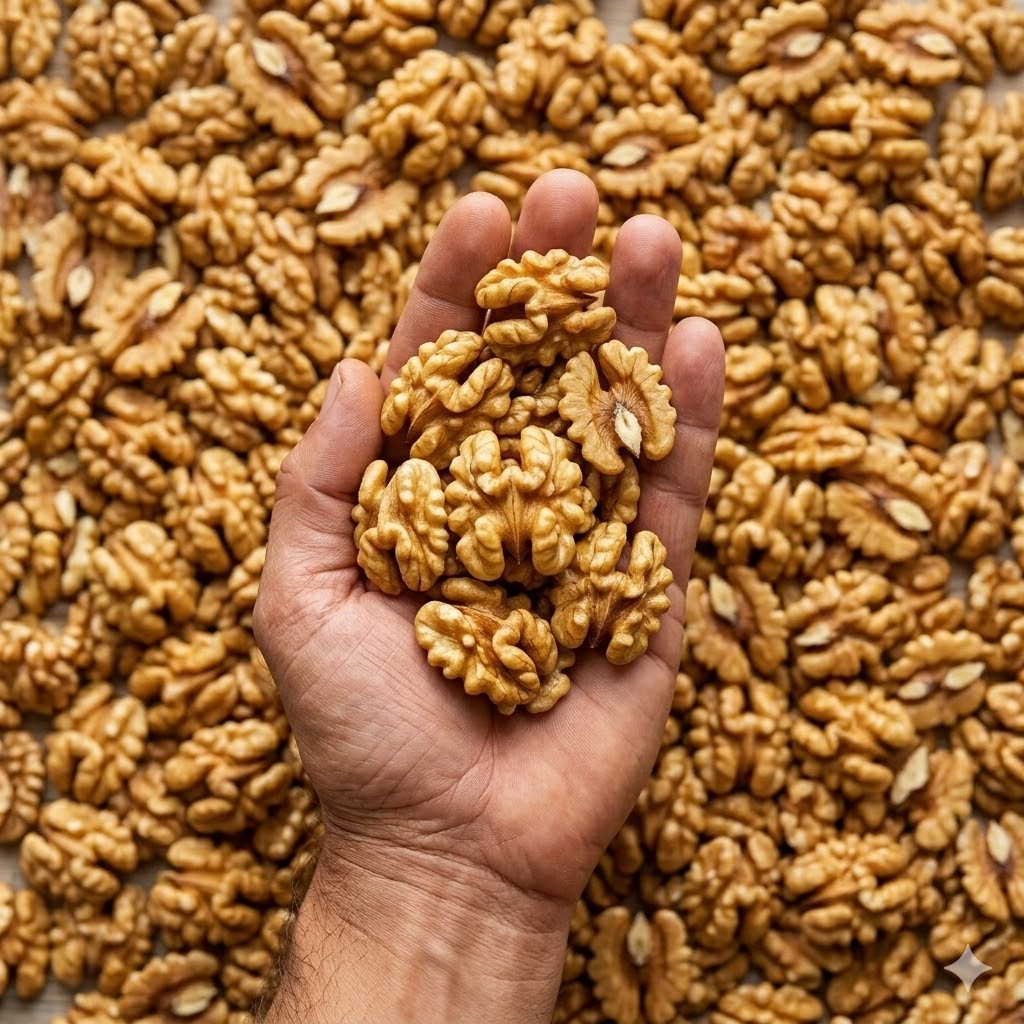
The good news is that you do not need to eat a huge amount to reap significant benefits. Most of the research showing positive health outcomes used a daily serving of around 28 to 30 grams, which is roughly 7 whole walnuts or about a small handful. That is a very manageable and affordable addition to your daily routine. You can eat them plain as a snack, toss them into oatmeal or yogurt, add them to salads, blend them into smoothies, or use them in baking.
The key is consistency — eating walnuts regularly over weeks and months is what drives the meaningful health changes seen in clinical studies. Like most whole foods, their benefits are cumulative. Think of your daily handful of walnuts as a long-term investment in your health that pays dividends in the form of a stronger heart, a sharper mind, and a body that ages more gracefully.
The Bottom Line
The science is clear and compelling: walnuts are one of the most powerful health foods available to us, and they have been hiding in plain sight all along. From protecting your heart and boosting your brain to nurturing your gut and helping regulate your weight, the benefits of eating walnuts daily are wide-ranging and well-documented. Doctors and dietitians alike are increasingly recommending them as a simple, natural, and delicious way to support long-term health. So next time you reach for a snack, make it a handful of walnuts — your future self will thank you.

