
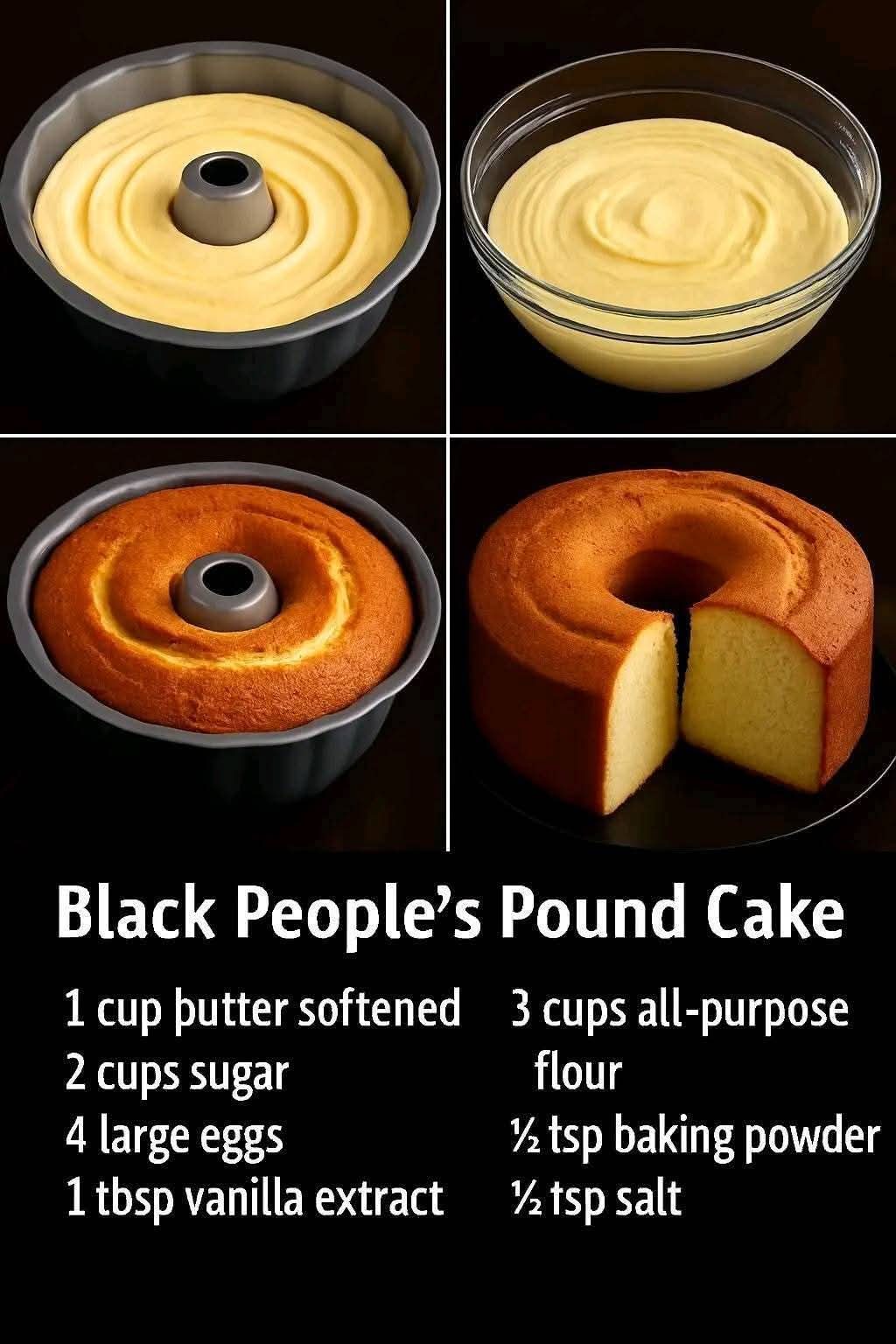
Step 3: Cream the Butter, Shortening, and Sugar
In a large mixing bowl using a stand mixer or hand mixer, beat the softened butter and shortening together on medium speed until combined and smooth, about 2 minutes. Gradually add the granulated sugar and continue beating on medium-high speed for a full 5 to 7 minutes — do not cut this step short. The mixture should become noticeably lighter in color and very fluffy. This extended creaming process is the single most important technique in pound cake baking, and it is what separates a dense, heavy result from a wonderfully tender one.
Step 4: Add the Eggs
Add the eggs one at a time, beating well after each addition and scraping down the sides of the bowl as needed. Make absolutely sure each egg is fully incorporated before adding the next. Using room-temperature eggs is important here — cold eggs can cause the batter to look curdled and will affect the final texture of the cake.
Step 5: Add Extracts
Mix in the vanilla extract and almond extract, beating until evenly combined throughout the batter.
Step 6: Alternate Dry Ingredients and Milk
With the mixer on low speed, add the dry ingredient mixture and the milk to the butter mixture in alternating additions — beginning and ending with the flour mixture. Add the flour in three portions and the milk in two portions, mixing gently between each addition. Mix only until just combined after each addition. Do not overmix — overmixing develops the gluten in the flour and results in a tough, dense cake rather than the tender crumb you are after.
Step 7: Pour and Bake
Pour the batter evenly into the prepared pan and use a spatula to smooth the top. Gently tap the pan on the counter a few times to release any air bubbles. Bake at 325°F for 1 hour and 15 to 30 minutes, or until a wooden toothpick or thin knife inserted into the center of the cake comes out completely clean. Do not open the oven door during the first hour of baking — doing so can cause the cake to deflate in the center.
Step 8: Cool the Cake
Remove the cake from the oven and allow it to cool in the pan on a wire rack for 15 to 20 minutes. This resting period allows the cake to firm up and pull away from the sides of the pan slightly, which makes it much easier to release without breaking. After resting, carefully invert the cake onto the wire rack and allow it to cool until just slightly warm before glazing.
Step 9: Make the White Glaze
In a small bowl, whisk together the powdered sugar, milk or cream, and vanilla extract until completely smooth and pourable. The consistency should be thick enough to cling to the cake but thin enough to drizzle and drip beautifully down the sides. Add more milk one teaspoon at a time if the glaze is too thick, or more powdered sugar if it is too thin.
Step 10: Glaze and Serve
While the cake is still just slightly warm, drizzle the white glaze generously over the top, allowing it to cascade naturally down the ridges and sides of the cake. Let the glaze set for 15 to 20 minutes before slicing. This patience pays off — a properly set glaze makes each slice look polished and beautiful.
Essential Tips for the Perfect Result
Room temperature ingredients are non-negotiable — butter, eggs, and milk should all be at room temperature for a smooth, properly emulsified batter
Do not rush the creaming step — the full 5 to 7 minutes of beating is what gives you the light, fluffy texture that makes this cake exceptional
Bake low and slow at 325°F — this allows the inside to cook through completely without overbrowning the exterior
Test for doneness carefully — start checking around the 1 hour and 15 minute mark; every oven is different
Grease the pan thoroughly — every groove and corner must be well greased and floured to ensure a clean release
Let it rest — cooling in the pan for 15 to 20 minutes before inverting prevents cracking and breakage
Delicious Variations
Lemon Glaze Version: Replace the milk in the glaze with fresh lemon juice and add a teaspoon of lemon zest to the batter for a bright, citrusy twist
Sour Cream Version: Substitute the whole milk for full-fat sour cream for an even moister, more tender crumb with a slight tang
Cinnamon Sugar Version: Sprinkle the inside of the greased pan with a cinnamon-sugar mixture before adding the batter for a sweet, spiced crust
Pecan Version: Fold 1 cup of finely chopped toasted pecans into the batter before pouring it into the pan
Fruity Version: Gently fold in 1 cup of fresh blueberries or finely diced fresh peaches into the batter for a seasonal fruit variation
How to Serve It
Continued on next page 👇(page 3)👇

