
How Often Does This Happen?
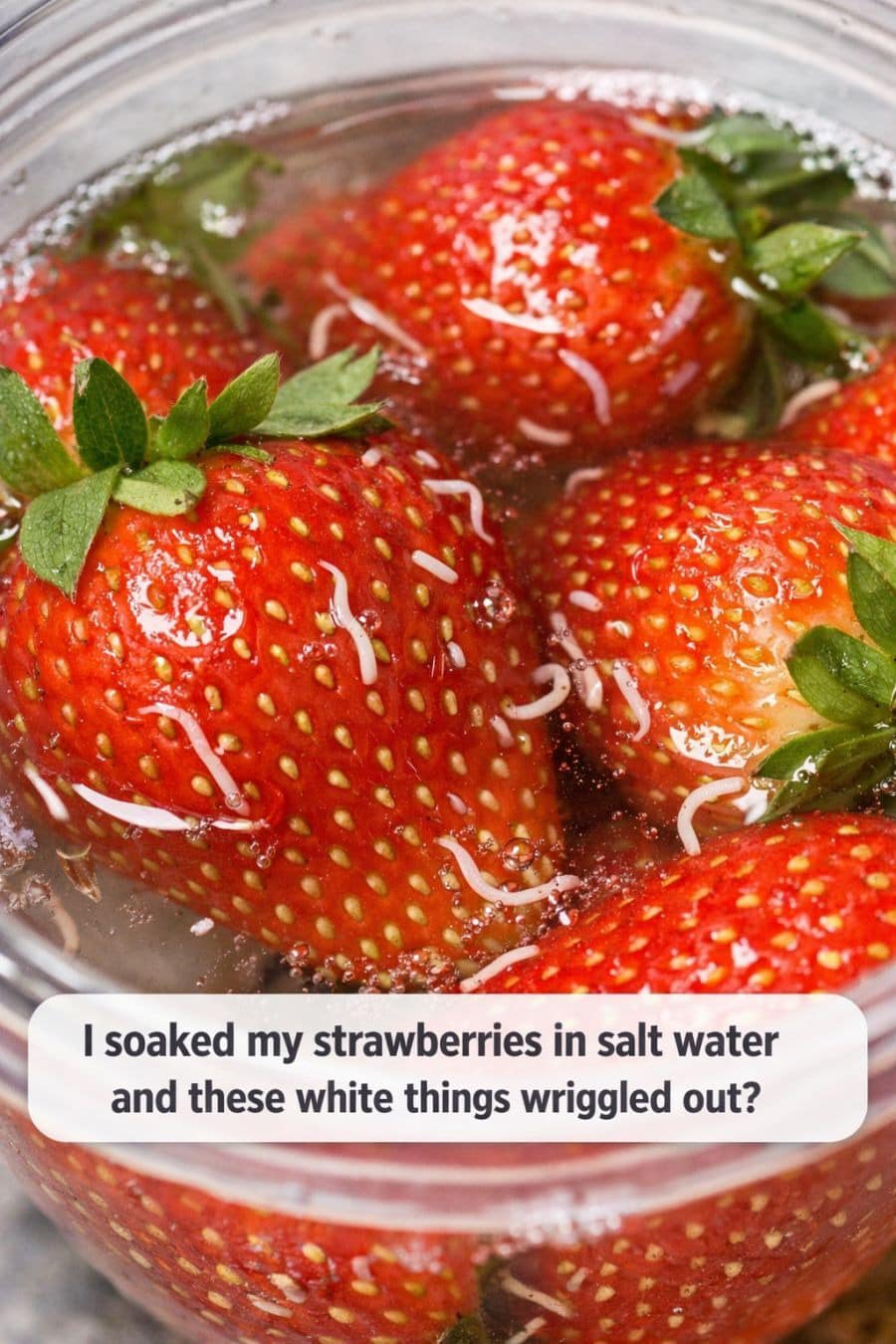
This can occur naturally in fruit crops. Whether strawberries are purchased from a grocery store, a local market, or picked from a garden, there is always a possibility that fruit flies have laid eggs in some berries.
Farmers use monitoring systems and pest-control strategies to limit these insects, but completely eliminating them can be difficult—particularly during warm growing seasons when fruit flies reproduce rapidly.
Ways to Clean Strawberries Properly
If you want to clean your strawberries thoroughly, there are a few simple methods you can try:
Cold water rinse:
The simplest option is rinsing strawberries under cold running water before eating them. This removes dirt and some surface residues.
Vinegar solution:
Combine one part white vinegar with three parts water, soak the berries briefly, then rinse them well. This can help reduce bacteria on the surface.
Salt water soak:
Placing berries in salt water may encourage any hidden larvae to exit the fruit. If you choose this method, rinse the berries afterward to remove any salty taste.
When Strawberries Should Be Discarded
You usually don’t need to throw away fruit simply because of something you saw online. Instead, check for clear signs that strawberries have spoiled, such as:
Visible fuzzy mold
A sour or fermented odor
Extremely soft or mushy texture
Liquid leaking from the fruit
If the strawberries appear bright, firm, and smell fresh, they are generally safe to eat after washing. In many cases, those tiny white larvae are simply part of the natural ecosystem where the fruit grows, and proper cleaning is all that’s needed before enjoying your berries.

