
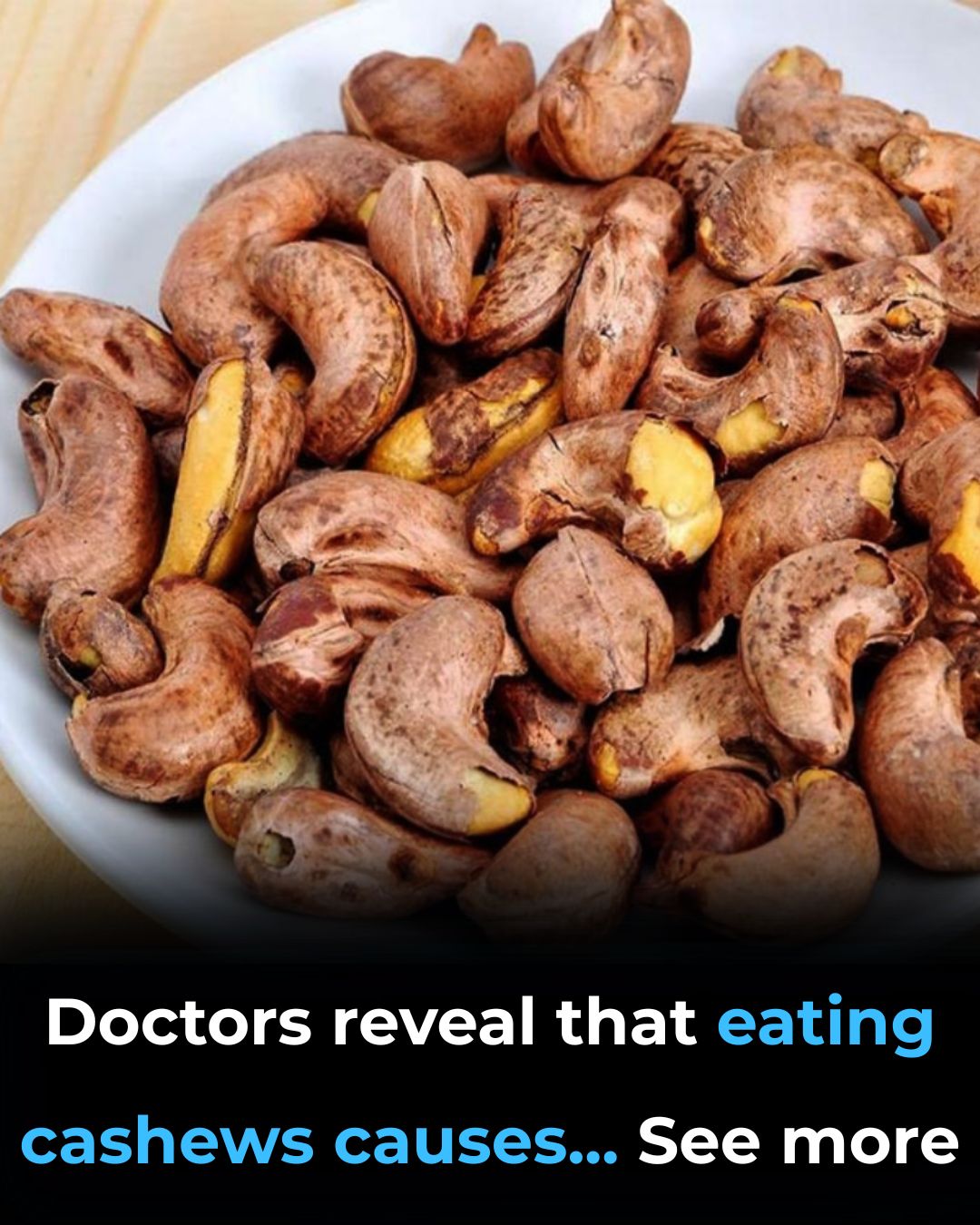
Alarmist headlines about cashews often warn of weight gain, kidney stones, or heart problems, using fear to attract clicks rather than reflect medical facts. These claims sound dramatic, but they rarely match what nutrition research actually shows. When examined closely, the science paints a far calmer and more reassuring picture.
For most people, cashews are not harmful at all. In fact, they are a nutritious food packed with essential vitamins, minerals, and healthy fats. Rather than being a risk, they can be part of a balanced and supportive diet when eaten in reasonable portions.
contain heart-healthy monounsaturated fats that help maintain good cholesterol levels. They also provide magnesium for muscle and nerve function, along with copper and zinc for immunity and energy production. Their plant-based protein and fiber promote fullness and digestive health, making them both satisfying and nourishing.
contain heart-healthy monounsaturated fats that help maintain good cholesterol levels. They also provide magnesium for muscle and nerve function, along with copper and zinc for immunity and energy production. Their plant-based protein and fiber promote fullness and digestive health, making them both satisfying and nourishing.
Research consistently shows that people who regularly eat nuts, including cashews, tend to have lower rates of heart disease. They often experience improved cholesterol, steadier blood sugar, and reduced inflammation. Because of these benefits, organizations like the American Heart Association recommend nuts several times a week.
Continued on next page 👇(page 2)👇

