
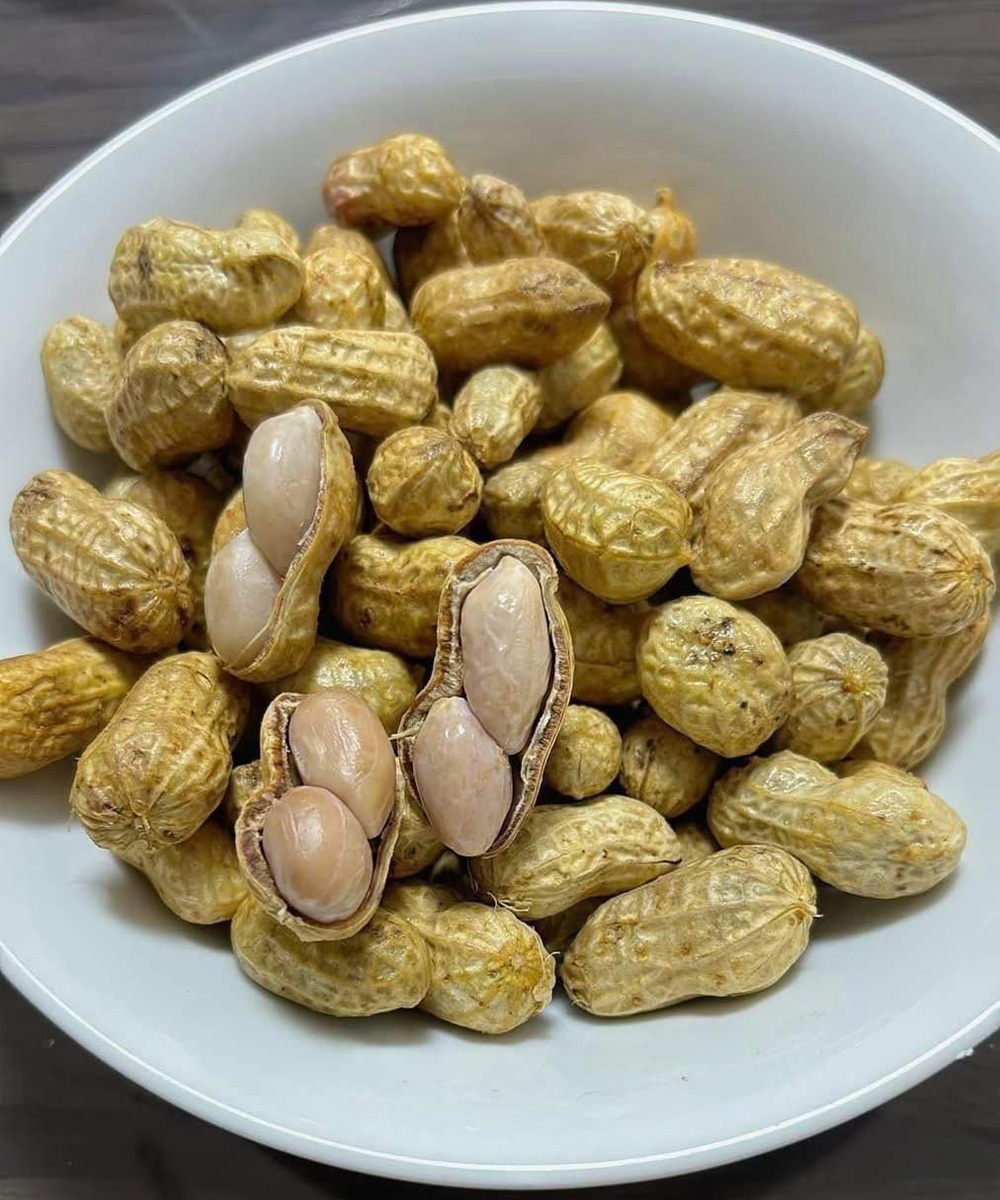
**Doctors Point Out That Peanut Consumption Can Lead to Surprising Health Effects—Here’s What You Need to Know**
Peanuts are one of the most محبوب snacks in the world—affordable, tasty, and packed with nutrients. From peanut butter sandwiches to late-night munching, they’re everywhere. But recently, doctors and nutrition experts have been highlighting some lesser-known effects of peanut consumption that might surprise you.
So, what exactly can peanuts lead to? The answer isn’t as simple as “good” or “bad.” It depends on how, how much, and who is eating them.
**1. A Powerful Boost for Heart Health**
Let’s start with the good news. Peanuts are rich in healthy fats, especially monounsaturated fats, which are known to support heart health. Regular, moderate consumption has been linked to lower levels of bad cholesterol (LDL), reducing the risk of heart disease.
**2. Unexpected Weight Gain—If You’re Not Careful**
While peanuts are nutritious, they are also calorie-dense. Doctors warn that eating large quantities—especially salted or processed peanuts—can quietly increase your daily calorie intake, potentially leading to weight gain over time.
**3. A Hidden Risk for Allergic Reactions**
One of the most serious concerns linked to peanuts is allergies. Peanut allergies are among the most common and can sometimes be severe or even life-threatening. Even a small exposure can trigger reactions in sensitive individuals, ranging from mild itching to anaphylaxis.
**4. Digestive Issues in Some People**
Peanuts contain compounds like lectins and phytic acid, which can be harder for some people to digest. Overconsumption may lead to bloating, gas, or discomfort—especially if your digestive system is sensitive.
**5. Potential Exposure to Aflatoxins**
Doctors also point out a lesser-known issue: aflatoxins. These are naturally occurring toxins produced by certain molds that can grow on peanuts if they are stored improperly. Long-term exposure to high levels of aflatoxins has been linked to liver problems, although food safety regulations in many countries keep this risk very low.
**6. Blood Sugar Benefits—With a Catch**
Peanuts have a low glycemic index, meaning they don’t cause sharp spikes in blood sugar. This makes them a good snack option for people managing blood sugar levels. However, flavored or sugar-coated peanut products can cancel out this benefit.
Continued on next page 👇(page 2)👇

