
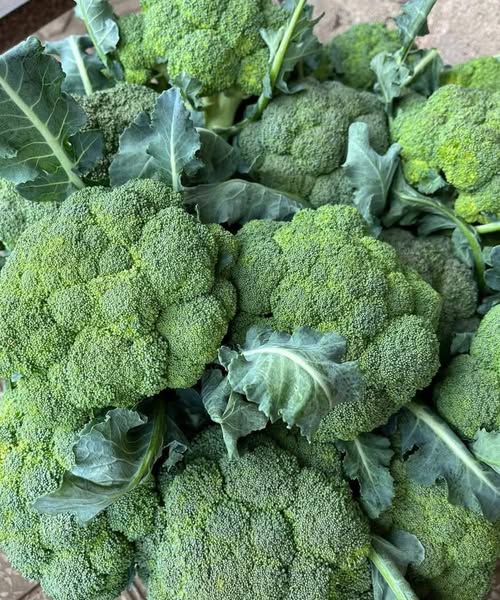
Broccoli and cauliflower share more than a family resemblance. Both belong to the Brassica oleracea species, originated in the Mediterranean region, and earned a place on childhood dinner plates—often met with resistance unless generously draped in cheese sauce.
Yet beneath their visual differences lies a nutritional story worth exploring. While both vegetables deliver impressive health benefits as members of the cruciferous family, a closer look at their nutrient profiles reveals meaningful distinctions. Let’s examine the science—not to declare a single “winner,” but to help you make informed choices for your plate.
🥦 Nutrient Breakdown: Side by Side
Values per cooked cup (approximately 156g broccoli, 124g cauliflower)
Nutrient
Broccoli
Cauliflower
Calories
44
29
Protein
4.7 g
2.3 g
Fiber
4.7 g
3.4 g
Vitamin A
2,281 IU (46% DV)
21 IU (negligible)
Vitamin C
123 mg (206% DV)
55 mg (92% DV)
Vitamin K
155 mcg (194% DV)
11 mcg (14% DV)
Folate (B9)
94 mcg (24% DV)
55 mcg (14% DV)
Calcium
75 mg
20 mg
Iron
1.4 mg
0.4 mg
Magnesium
39 mg (10% DV)
11 mg (3% DV)
Potassium
505 mg
176 mg
DV = Daily Value based on a 2,000-calorie diet
Key observations:
→ Broccoli delivers significantly higher amounts of vitamins A, C, K, and most B vitamins
→ Broccoli contains more than triple the calcium and iron of cauliflower
→ Cauliflower has modestly fewer calories—a consideration for strict calorie management
→ Both provide fiber, minimal fat, and support weight-conscious eating
💚 Why Broccoli Stands Out Nutritionally
Broccoli’s deep green color signals a concentration of phytonutrients largely absent in its pale cousin:
1. Vision Support
Broccoli contains lutein and zeaxanthin—carotenoid antioxidants that accumulate in the retina and may help protect against age-related macular degeneration and cataracts. Cauliflower lacks these compounds in meaningful amounts.
2. Cancer-Protective Compounds
Research highlights several bioactive compounds in broccoli:
→ Sulforaphane: Formed when glucoraphanin (a broccoli compound) interacts with enzymes during chewing or chopping. Studies suggest it supports cellular detoxification pathways and may help neutralize carcinogens.
→ Indole-3-carbinol: May help modulate estrogen metabolism, with research exploring its role in hormone-related cancer prevention.
→ Isothiocyanates: Sulfur-containing compounds with antioxidant and anti-inflammatory properties.
Note: While promising, these compounds are part of a broader dietary pattern—not standalone cancer cures.
3. Heart Health
Broccoli’s combination of fiber, potassium, magnesium, and sulforaphane may support cardiovascular wellness by:
3. Heart Health
Broccoli’s combination of fiber, potassium, magnesium, and sulforaphane may support cardiovascular wellness by:
→ Helping maintain healthy blood pressure
→ Reducing oxidative stress in blood vessels
→ Supporting healthy cholesterol levels through soluble fiber
4. Gut and Immune Support
Broccoli’s fiber feeds beneficial gut bacteria, while its vitamin C content (over 200% of daily needs per cup) supports immune cell function. Emerging research also suggests sulforaphane may help reduce colonization of H. pylori, a bacterium linked to stomach ulcers—though human studies remain limited.
Where Cauliflower Shines
Cauliflower deserves recognition for its own strengths:
→ Calorie efficiency: At 29 calories per cup, it offers volume with minimal energy—valuable for those managing caloric intake
Continued on next page 👇(page 2)👇

