
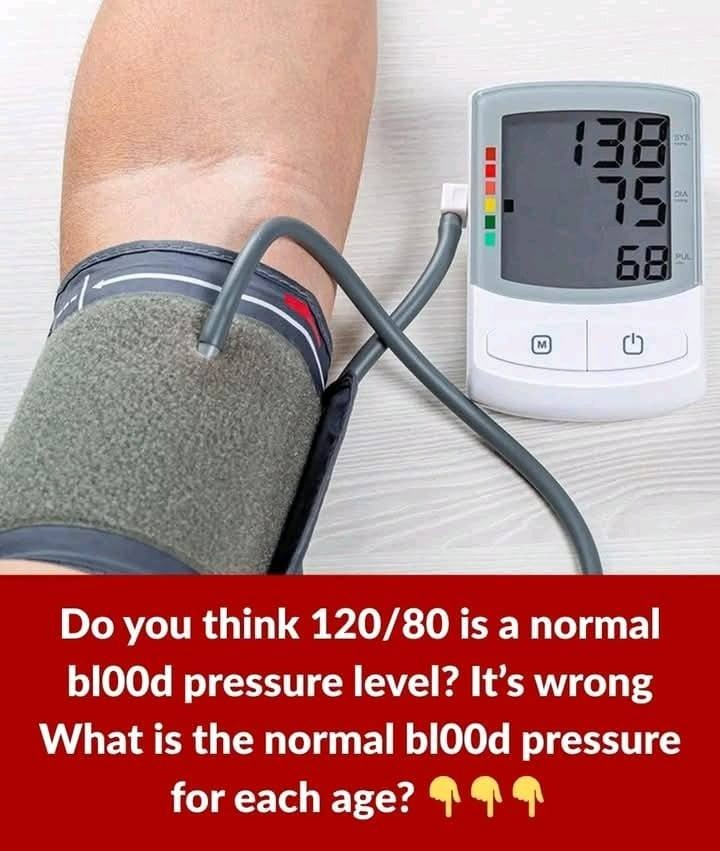
Blood pressure isn’t just a number your doctor checks at your annual visit — it’s a vital window into your heart’s health. And as you age, that number becomes more important than ever.
Understanding how blood pressure evolves over time, and what’s considered healthy for your age group, can help you take proactive steps to protect yourself from serious conditions like heart disease, stroke, and kidney issues.
Why Blood Pressure Matters
Blood pressure is the force of blood pushing against the walls of your arteries as your heart pumps it through your body. It’s one of the most telling indicators of your cardiovascular health — and a key player in identifying risks before they become crises.
While the ideal blood pressure is often cited as around 120/80 mm Hg, what’s considered “normal” can shift slightly based on age, health history, and other individual factors.
Understanding the Numbers
Blood pressure is recorded with two numbers:
Number What It Measures Ideal Range
Systolic (top number) Pressure in your arteries when your heart beats Below 120
Diastolic (bottom number) Pressure in your arteries when your heart rests between beats Below 80
Example: 120/80 means systolic of 120 and diastolic of 80.
Normal Blood Pressure by Age
Children and Adolescents (3-18 years)
Blood pressure in children varies significantly by age, height, and sex. Percentile charts are used rather than fixed numbers. Generally:
Age Approximate Normal Range
3-5 years 90-110 / 55-70
6-12 years 95-115 / 60-75
13-18 years 100-120 / 65-80
Note: These are estimates. Your pediatrician will use growth charts to determine what’s normal for your child.
Adults (19-40 years)
At this age, blood pressure should ideally be in the optimal range.
Category Systolic (top) Diastolic (bottom)
Optimal Less than 120 and Less than 80
Normal 120-129 and/or 80-84
Elevated 130-139 and/or 85-89
What’s normal for most adults: Below 120/80.
Adults (41-60 years)
As we age, blood vessels naturally become stiffer. Slightly higher readings are more common, but the goal remains below 130/80.
Continued on next page 👇(page 2)👇

