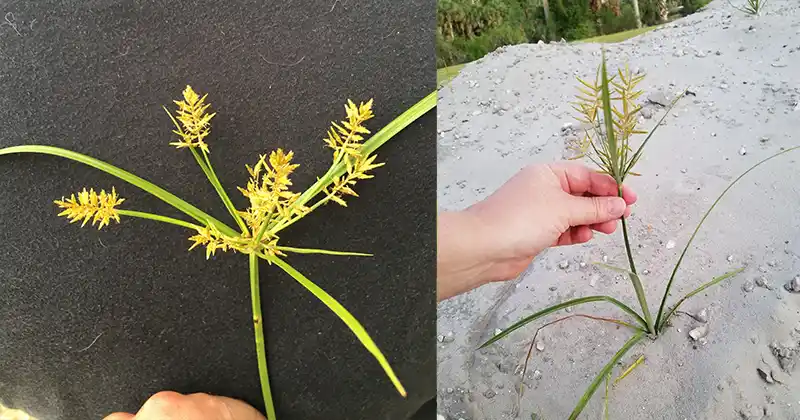
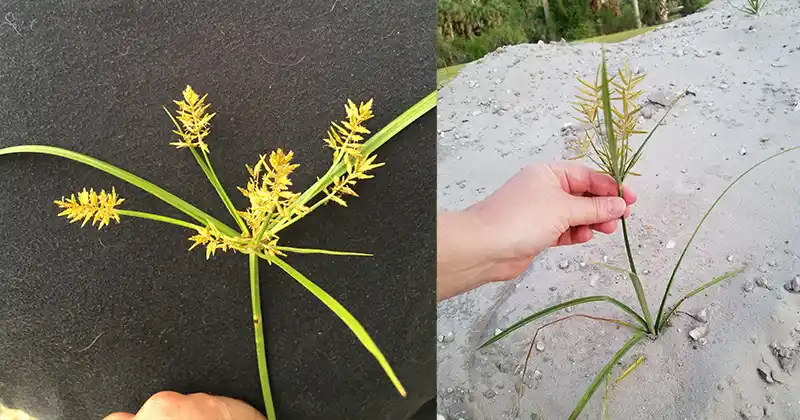
Yellow nutsedge (Cyperus esculentus), also called tiger nut, earth almond, or chufa, is a grass-like plant that grows from small underground tubers. While many gardeners see it as a stubborn weed, in some parts of the world it’s valued as a nutritious food, a traditional medicine, and even a natural source of oil.
The plant is native to Africa but now grows in many warm and temperate regions, often popping up in gardens, fields, and even sandy soils near water. The tubers are the most famous part — sweet, nutty, and packed with nutrients — but the plant has other uses too.
If you’ve only known yellow nutsedge as an annoying weed, prepare to see it in a whole new light.
Nutritional Profile of Tiger Nuts
The small tubers of Cyperus esculentus are rich in energy and nutrients, making them an important survival food in some cultures. They typically contain:
- Healthy fats (including monounsaturated fats, similar to those in olive oil)
- Dietary fiber (helps digestion and supports gut health)
- Plant protein (good for vegetarians and vegans)
- Vitamins such as Vitamin E and Vitamin C
- Minerals like magnesium, phosphorus, potassium, and iron
- Natural sugars for quick energy
- Resistant starch that can help regulate blood sugar
Health Benefits of Yellow Nutsedge
1. Supports Digestive Health
The high fiber content helps regulate bowel movements, prevent constipation, and promote the growth of beneficial gut bacteria.
2. Good for Heart Health
The monounsaturated fats can help reduce “bad” LDL cholesterol and support healthy blood pressure.
3. Natural Energy Booster
The mix of healthy fats, natural sugars, and carbohydrates gives steady, long-lasting energy without caffeine.
4. Helps Manage Blood Sugar
Resistant starch slows down sugar absorption, which can help balance blood sugar levels.
5. Supports Weight Management
The fiber makes you feel full for longer, helping to control appetite.
6. Rich in Antioxidants
Vitamin E and other plant compounds protect cells from oxidative stress and support healthy aging.
7. Good for Bone and Muscle Function
Minerals like magnesium and potassium support strong bones, nerve function, and muscle performance.
8. May Support Fertility
In some African traditions, tiger nuts are eaten to boost libido and reproductive health.
9. Naturally Lactose-Free Milk Alternative
Tiger nut milk (horchata de chufa) is a creamy, dairy-free drink suitable for people with lactose intolerance.
10. Supports Skin Health
Vitamin E helps maintain skin elasticity, moisture, and protection against environmental damage.

Traditional and Medicinal Uses
In folk medicine, Cyperus esculentus tubers have been used for:
- Treating diarrhea and digestive discomfort
- Easing flatulence and bloating
- Acting as a mild diuretic to support kidney health
- Soothing coughs when combined with honey in traditional remedies
(These uses come from traditional practices; modern medical research is still ongoing, so consult a healthcare provider before using for treatment.)
Culinary Uses
1. Eating Fresh or Dried Tubers
You can eat them raw (chewy and sweet), roasted (crunchy and nutty), or dried (for long-term storage).
2. Making Tiger Nut Milk
A popular drink in Spain called horchata de chufa is made by soaking, blending, and straining the tubers.
It’s sweet, creamy, and refreshing.
3. Baking and Cooking
Tiger nut flour can be used for gluten-free baking, adding a sweet, nutty flavor to bread, cookies, and cakes.
4. Oil Extraction
Tiger nut oil is light, stable for cooking, and has a pleasant nutty taste. It’s also used in cosmetics.
Gardening and Agricultural Uses
While farmers often battle yellow nutsedge as a weed, the plant itself is very hardy and drought-resistant. In controlled farming:
- Grown as a food crop in Africa, Spain, and parts of the Middle East.
- Used for soil stabilization because of its dense root system.
- Attracts pollinators when in bloom, supporting biodiversity.
Other Practical Uses
- Cosmetic Products: Tiger nut oil is used in skin creams and hair oils for its moisturizing properties.
- Animal Feed: Tubers can be a supplementary feed for pigs and poultry in some areas.
- Survival Food: Easy to find and harvest in the wild, providing nutrition when other food is scarce.
How to Collect and Use Yellow Nutsedge
- Identification: Look for grass-like leaves with a triangular stem and clusters of yellow-brown seed heads.
- Harvesting Tubers: Pull up the plant and dig around the roots to find small, marble-sized tubers.
- Cleaning: Wash thoroughly to remove soil and grit.
- Consumption:
- Eat raw or roasted.
- Soak before eating for softer texture.
- Grind into flour or blend into milk.
- Storage: Keep fresh in the fridge for short-term use or dry for long-term storage.
Cautions and Considerations
- Allergies: Rare, but possible. Try small amounts if it’s your first time eating them.
- Wild Harvesting: Make sure the area hasn’t been treated with pesticides.
- Invasive Nature: If growing intentionally, control the spread to avoid it taking over your garden.

Yellow nutsedge (Cyperus esculentus) may have a bad reputation as a weed, but it’s actually a valuable plant with nutritional, medicinal, culinary, and practical benefits. From its sweet, crunchy tubers to its rich oil, it has been a part of human diets and traditional remedies for centuries.
For beginners, the key is learning to identify it, harvest it properly, and explore its many uses. With the right knowledge, what many see as a garden nuisance can become a hidden treasure.